What Is Giclee Printing and Why Does It Matter for Coastal Wall Art?
When I first started printing my coastal photography, I went down a bit of a rabbit hole trying to figure out which printing method was actually worth it. There's a lot of noise out there. So I want to give you a straight answer to a question I get asked fairly often: what is giclee printing, and does it actually make a difference to the finished print on your wall?
Short answer: yes, it absolutely does. Here's why.
What Giclee Printing Actually Means
The word "giclee" (pronounced zhee-KLAY) is French, but don't let that put you off. It basically refers to a high-resolution inkjet printing process that uses archival pigment inks rather than the dye-based inks you'd find in a standard printer.
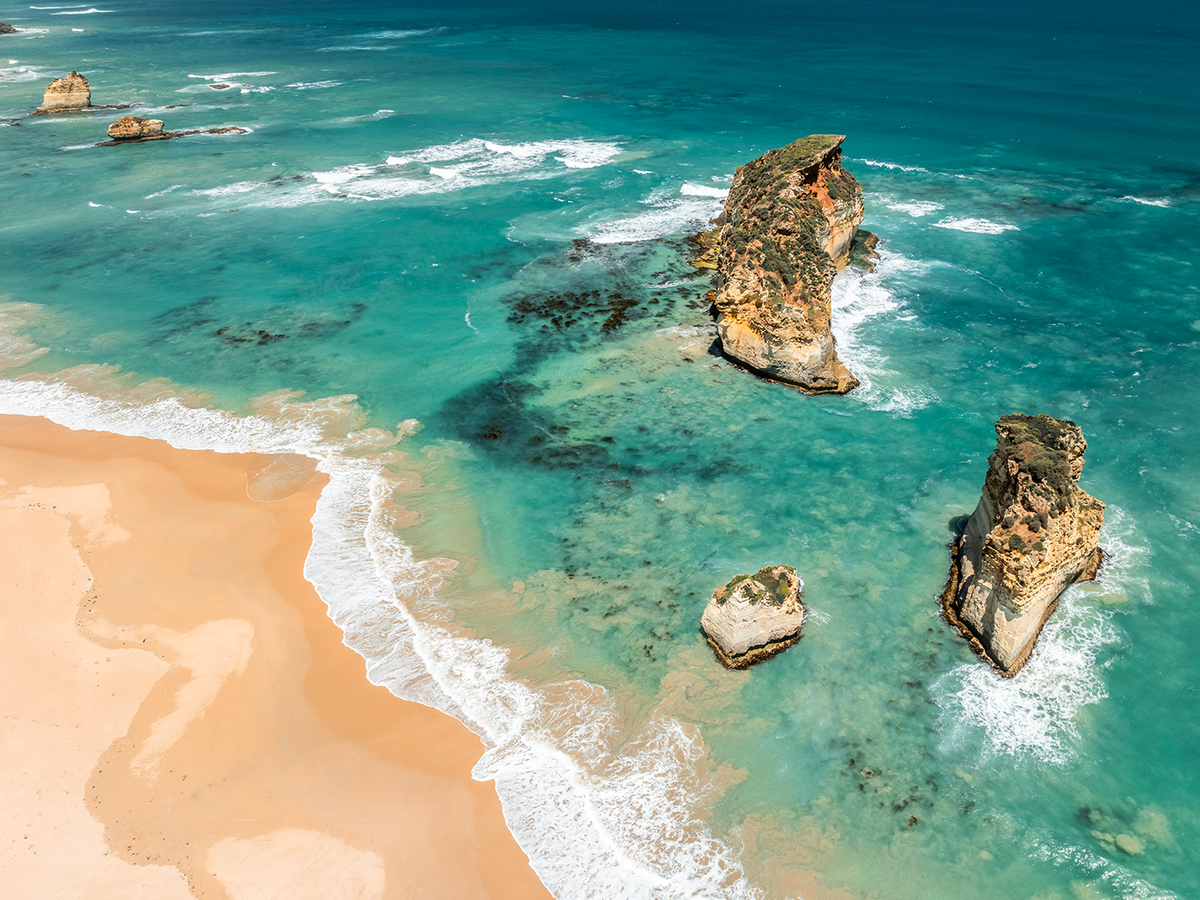
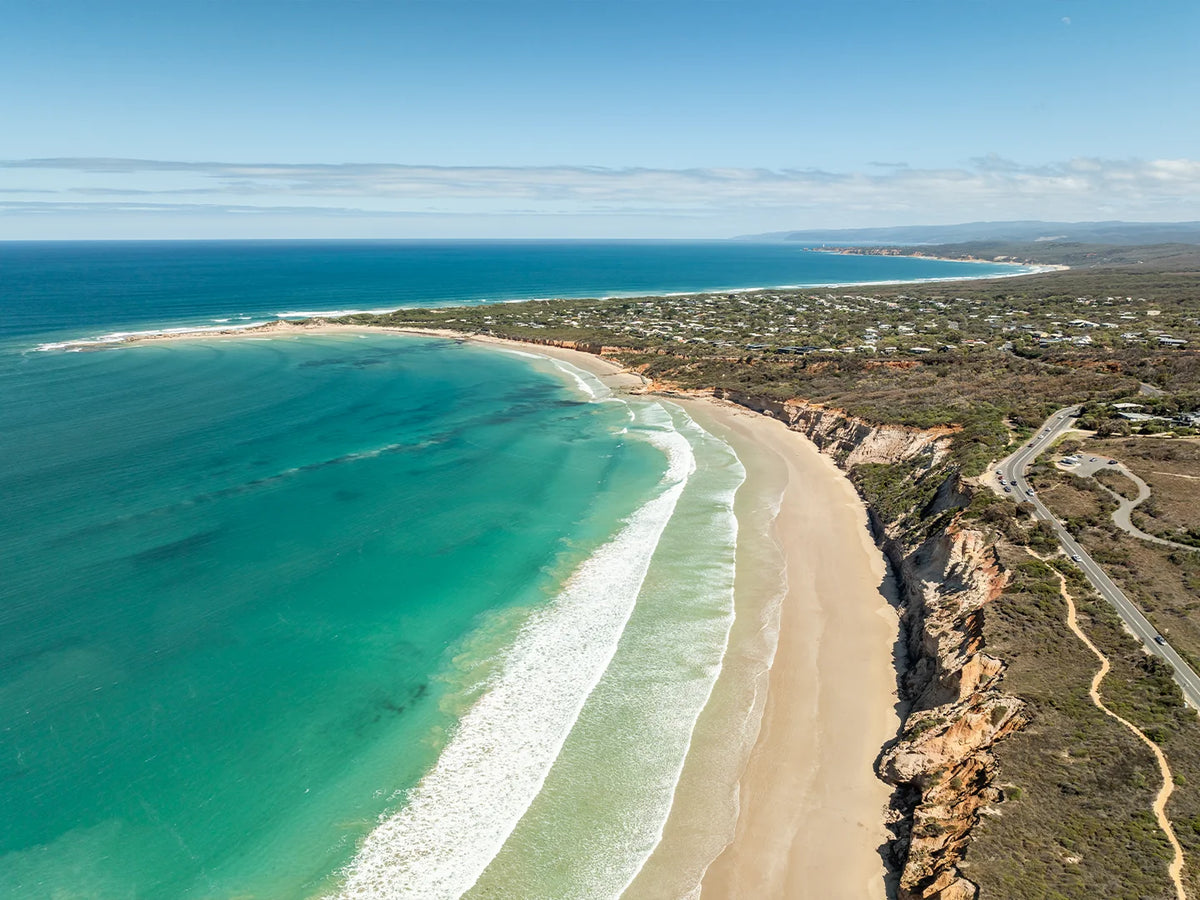
The difference matters a lot when you're printing a coastal photograph. The ocean has incredibly subtle gradations of colour. The way light hits shallow sand at low tide. The difference between a deep navy swell and a turquoise rip line. Standard printing compresses all of that into a flat, often over-saturated image. Giclee printing preserves it.
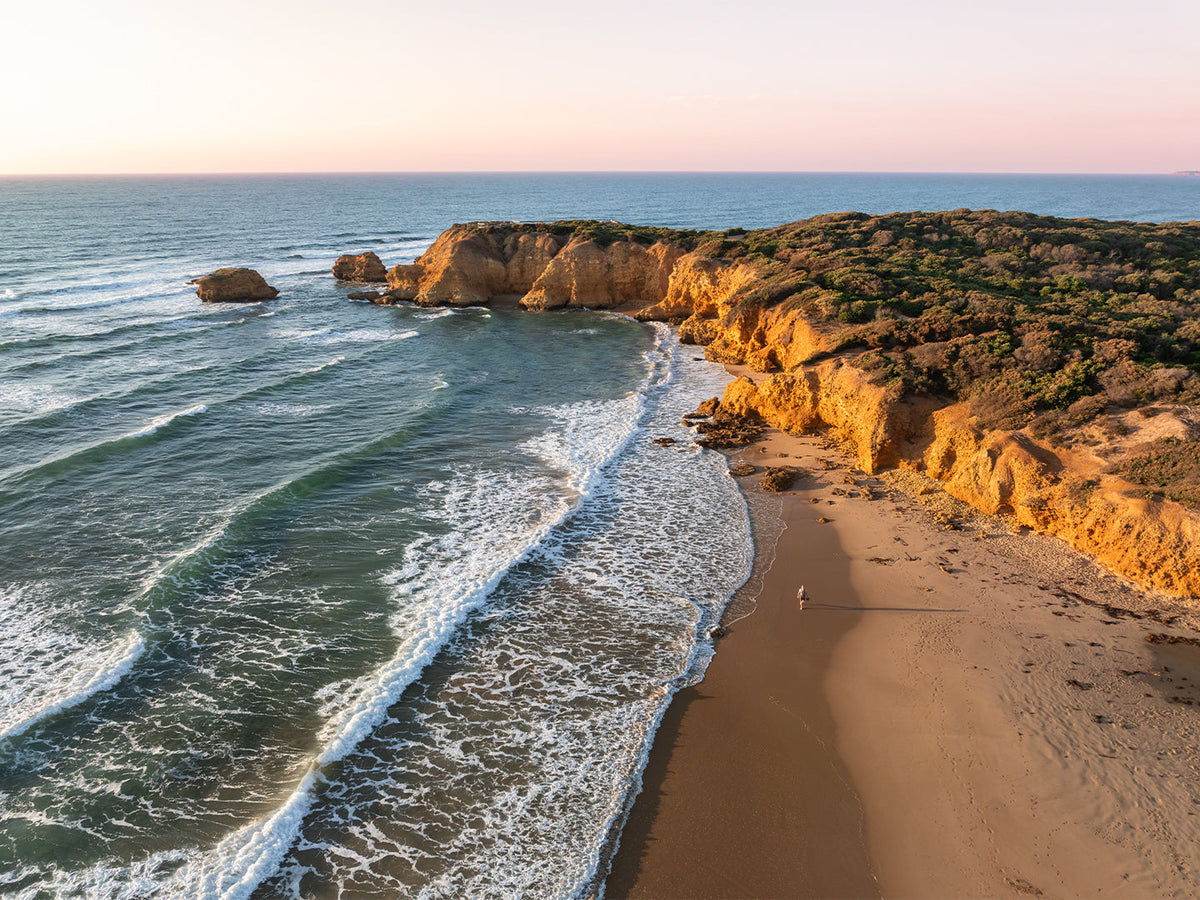
Every print I produce is printed using giclee archival inks. That's not a marketing term I've slapped on the listing. It's the actual process that makes the colours in a print like Point Addis Art Print I look as punchy and real as they do, from the rust-red cliff face to the deep green of the water below.
Why Archival Inks Matter for Coastal Prints
Here's the thing about coastal art. It usually goes on a wall in a room that sees a fair bit of light. Beach houses, holiday homes, living rooms facing north. If you're printing with dye-based inks, you might notice fading within a few years. Giclee archival prints are designed not to fade or yellow over time.
All my prints are produced with archival materials for exactly this reason. Whether you go with a classic framed print on 250gsm premium matte art paper, or upgrade to my premium shadow box option which uses museum quality 308gsm Hahnemühle Rag Mount Smooth fine art paper with 11-colour giclee archival inks, the result is a print that's built to last. That's part of why every framed product comes with a 10-year warranty.
If you're hanging something in a room with a lot of natural light, it's also worth looking at the premium shadow box with Tru Vue Museum Glass, which adds 99% UV protection on top of the archival inks. That combination gives you real peace of mind.
How It Changes What You See on the Wall
I've had customers tell me they were blown away by how sharp and detailed the print looked when they unwrapped it. One buyer said the colours in their print were brightening up the house and they were constantly getting compliments from guests. That's the giclee difference. You're not looking at a poster. You're looking at a fine art print.
For something like the Bells Beach Art Print I, where the whole composition relies on the texture of the water and the arc of the point, giclee printing is what makes the detail feel real. You can see the lip of a wave. You can see the texture on the reef. A standard print would lose most of that.
This is also why I only print to order. I don't keep stock sitting around in a warehouse slowly degrading. Every print is made fresh, from my original files, using the same process every time.
Does It Matter Which Paper You Choose?
Yes. Paper is the other half of the equation. My classic frame uses 250gsm premium matte art paper. My shadow box steps up to 270gsm fine art paper. My premium shadow box uses museum quality 308gsm Hahnemühle Rag Mount Smooth. Heavier weight, smoother surface, more ink absorption. The result is richer colour and finer detail.
If you're buying art for a wall you'll look at every day, these differences are worth understanding. You can read more about how each product compares at my product guide.
Bring a Real Beach Home
Every print I sell is a real place I've actually been to, shot myself, often from above with my drone on a still morning. Giclee printing is how I make sure the final product on your wall is as close as possible to what I saw through the lens. It's not a small thing. It's the whole point.
If you're ready to find a print that actually means something to you, start browsing. Prints start from $89, with free shipping anywhere in Australia.
Frequently Asked Questions
What is giclee printing and how is it different from regular printing?
Giclee printing is a high-resolution fine art printing process that uses pigment-based archival inks rather than standard dye-based inks. The result is a much wider colour range, finer detail, and a print that won't fade or yellow over time the way a standard print would. For coastal photography with subtle colour gradations, the difference is significant and visible.
Do archival fine art prints in Australia really last longer?
Yes. Archival pigment inks are designed to resist fading for decades, even in rooms with natural light. Standard dye-based prints can begin to degrade within a few years, especially in sunny rooms. All Local Breaks prints use giclee archival inks, and every framed product comes with a 10-year warranty.
What paper is used for giclee coastal wall art prints?
It depends on the product. The classic frame uses 250gsm premium matte art paper. The shadow box uses 270gsm fine art paper. The premium shadow box uses museum quality 308gsm Hahnemühle Rag Mount Smooth, which is among the finest fine art papers available. Each is paired with giclee archival inks for consistent quality across all options.
Is giclee printing worth it for a beach house or holiday rental?
For any wall you're going to look at regularly, or that guests are going to notice, yes. Giclee prints hold their colour and detail in a way that standard prints don't, and they're built to handle rooms with light. For a holiday rental where you want the art to look great in listing photos and still look great five years later, it's the right choice.
Any questions about which print or product is right for your space? Feel free to reach out. I'm always happy to help.