I've spent a lot of time staring at frames. More than I'd like to admit, honestly. And I've learned that the frame you choose can completely change how a print feels in a space. It's not just about protection or looking tidy on the wall. It's about how the whole thing comes together, how the light hits it, whether it becomes part of the room or just something stuck to it.
When people ask me which frame to go with, I usually ask them back: where's it going? What's the vibe? Do you want the print to pop forward or sit back? Because there's no single right answer. But there are definitely frames that work better for different situations, and once you know what each one does, it gets a lot easier to choose.
Classic Framed Prints: Clean, Simple, Does the Job
This is your straightforward option. The print sits behind glass in a timber frame. No tricks, no fuss. I use FSC certified timber for all my frames, so you're getting something that's made responsibly and looks good doing it.
Classic frames work really well when you want the focus to stay on the image itself. They don't add bulk or cast shadows. They're also brilliant if you're doing a gallery wall with multiple prints, because they keep everything looking consistent without competing for attention.
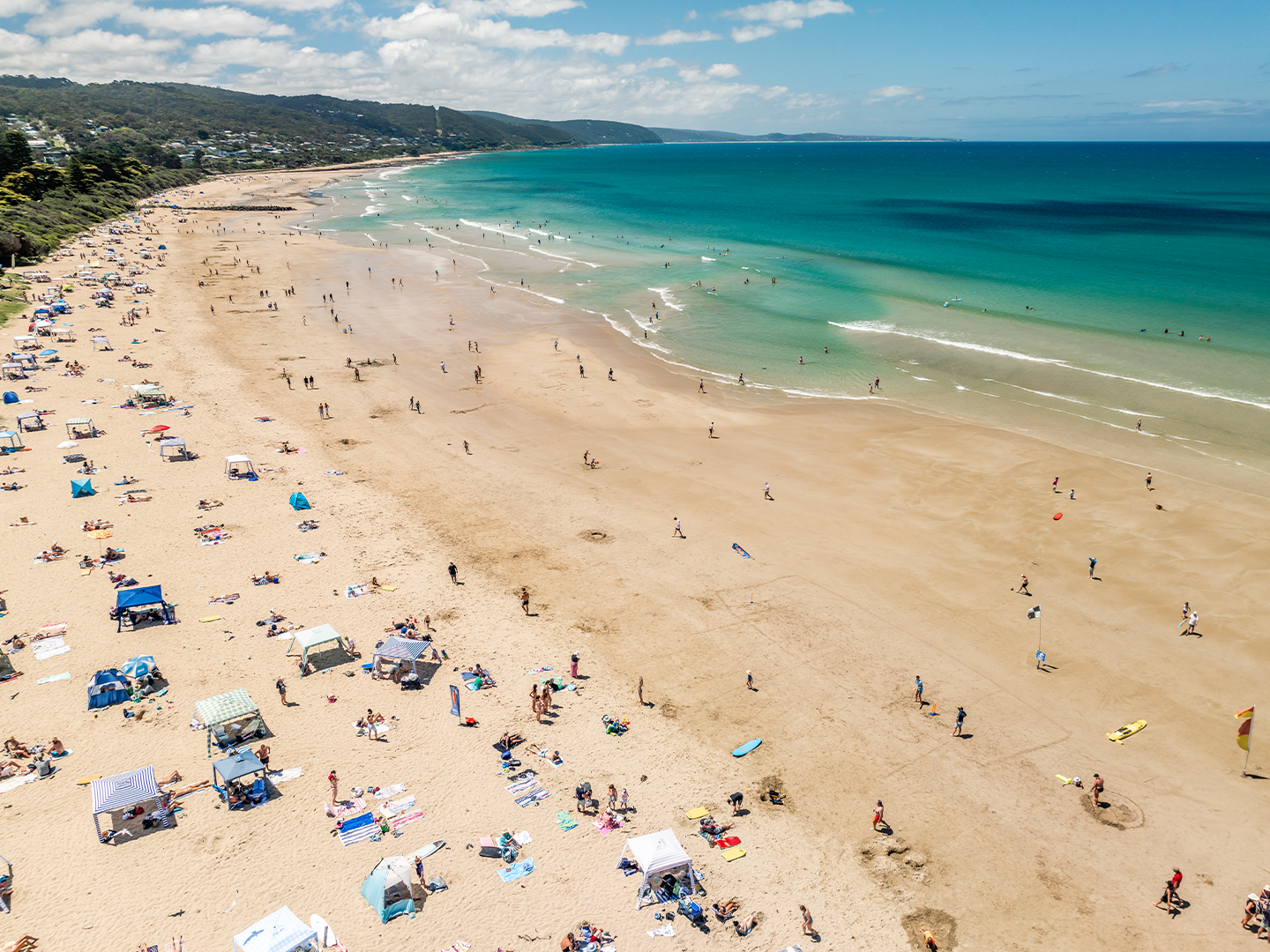
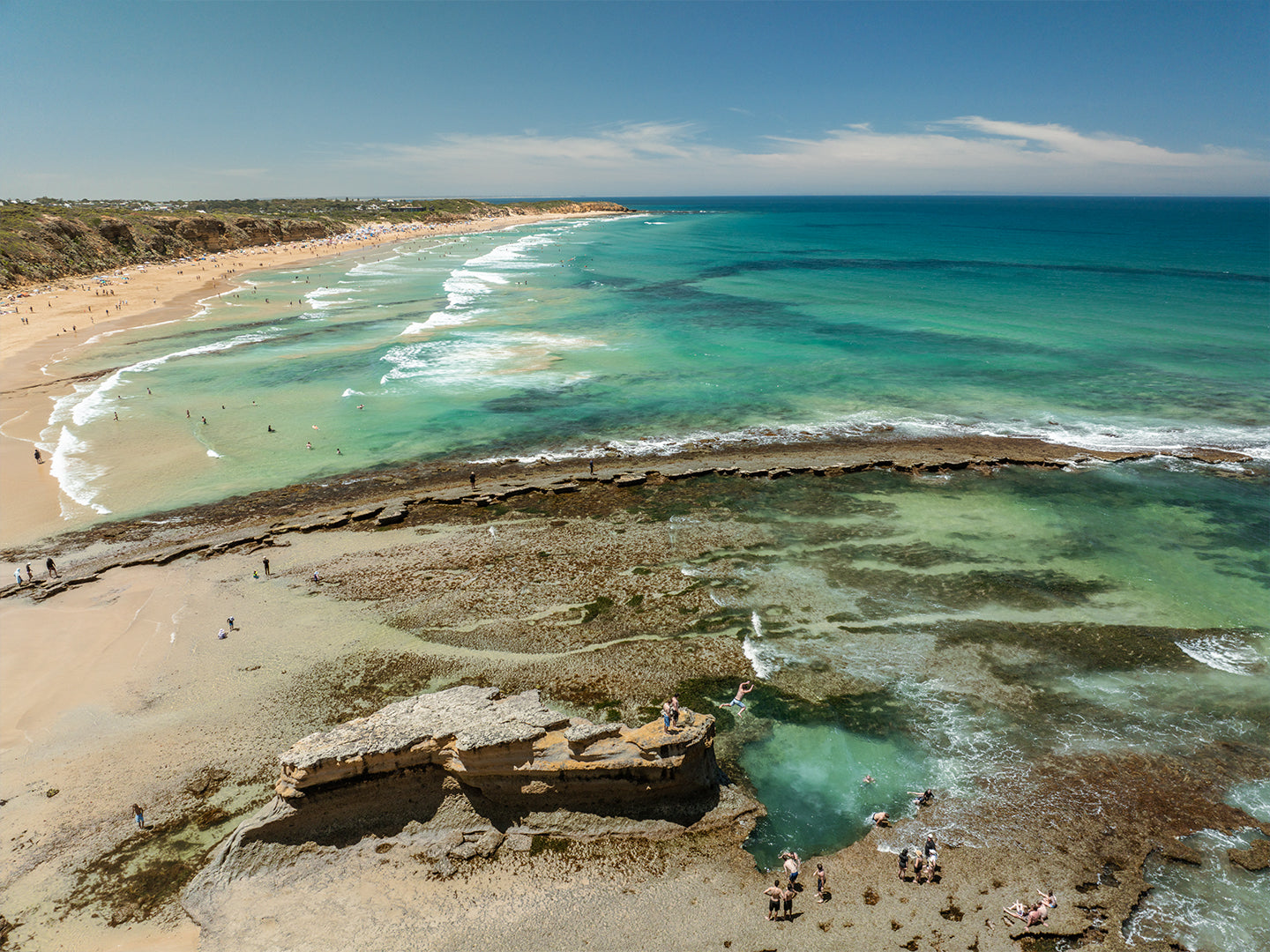
If you're decorating a coastal home or an Airbnb and you want that beachy, relaxed feel without overthinking it, classic frames are a safe bet. I see a lot of people go this route for prints like Point Addis Art Print I, where the turquoise water and the golden cliffs already do all the talking.
Framed Canvas Prints: Texture and Depth
Canvas gives you something different. The print gets stretched over a wooden frame, then sits inside a timber frame with a small gap between the canvas and the frame edge. That gap creates a shadow line, which adds depth and makes the whole thing feel a bit more three-dimensional.
Canvas also has texture. It's not smooth like a traditional print behind glass. You get a bit of tooth to it, which works beautifully for images with a lot of natural detail, like rock textures, rolling waves, or coastal cliffs.
I find canvas works particularly well in spaces with a relaxed, lived-in feel. Think beach houses, living rooms with timber furniture, bedrooms where you want something warm on the wall. It's less formal than glass, and that can be exactly what you're after.
Shadow Box Frames: Let the Print Breathe
Shadow box frames are my personal favourite, and I think they're underrated. The print sits raised inside the frame, creating a shadow around the edges. It gives the artwork room to breathe, and when light hits it from the side, you get this lovely interplay of light and shadow that changes throughout the day.
These frames add presence without being loud about it. They work especially well for larger prints, where that extra depth helps the image hold its own on a big wall. If you're putting something like Bells Beach Art Print I in a living room or above a bed, a shadow box gives it the space it deserves.
I also offer a premium shadow box option with Tru Vue glass, which is about as good as glass gets. It cuts down on glare and protects the print from UV light, so the colours stay true for years. If you're investing in a larger piece or it's going somewhere with a lot of natural light, it's worth considering.
Take the Coast Home
Every print I shoot is a place I actually know. I've stood there, waited for the light, and tried to capture what makes that spot worth coming back to. And once it's printed and framed, it becomes something you can live with every day.
All my prints are made to order here in Victoria, using sustainably sourced timber frames and shipped free anywhere in Australia. You can check out the full range and see what size works for your space over on the size guide if you need a hand figuring that out.
Frequently Asked Questions
What is the difference between a framed print and a canvas print?
A framed print sits behind glass in a timber frame, giving you a smooth, clean finish. A canvas print is stretched over a wooden frame and sits inside a timber frame with a small shadow gap, giving you texture and a bit more depth. Framed prints feel more polished, canvas prints feel warmer and more relaxed.
What frame should I choose for coastal wall art?
Classic frames work well if you want something clean and simple that keeps the focus on the image. Canvas frames are great for a relaxed, textured feel that suits beach houses and casual spaces. Shadow box frames add depth and presence, especially for larger prints or rooms with good natural light.
Are shadow box frames better than regular frames?
Shadow box frames aren't necessarily better, they're just different. They add depth and let the print breathe, which works beautifully for larger pieces or feature walls. Regular frames are simpler and often better for gallery walls or smaller spaces where you don't want too much bulk.
Do I need glass with anti-glare for beach prints?
Standard glass works fine for most situations. But if your print is going somewhere with lots of direct sunlight or you're getting a larger size, Tru Vue glass in the premium shadow box option is worth it. It reduces glare and protects against UV damage, so your print stays looking good for longer.
Whatever you choose, make sure it feels right for your space. That's the only rule that really matters.