This is one of the questions I get asked most often, and honestly, it's a good one. Framed print or canvas? Both look great on a wall. Both come in my full range of coastal prints. But they're genuinely different products, and the right choice depends on your space, your light situation, and how you like your art to feel. Let me break it down properly so you can pick with confidence.
What's the actual difference?
A framed print is exactly what it sounds like. The photo is printed on fine art paper, mounted behind glass, and set inside a solid timber frame. My classic framed prints use 250gsm art paper with giclee archival inks, and the frame itself is FSC certified plantation timber in black, white or oak. The glass protects the print and gives it that sharp, crisp gallery feel.
A floating frame canvas is a different beast. The image is printed directly onto a 400gsm Hahnemuhle Daguerre canvas, stretched over a timber frame, and then set inside a floating outer frame so there's a small gap between the canvas and the frame edge. No glass at all. It's a chunkier, more tactile product, and the way it sits on the wall feels slightly more casual and modern.
Both formats use archival materials designed to last, and both come with a 10-year warranty. Neither will fade or yellow over time.
When a framed print is the better call
If you want that clean, gallery-style look, a framed print is hard to beat. The glass gives the image real depth and the frame grounds it nicely on the wall. It works especially well in living rooms, hallways and bedrooms where the light is fairly consistent.
For anyone buying framed vs unframed prints, the classic frame is the most popular starting point. It's ready to hang straight out of the box, and the three colour options mean it fits most interiors without much fuss.
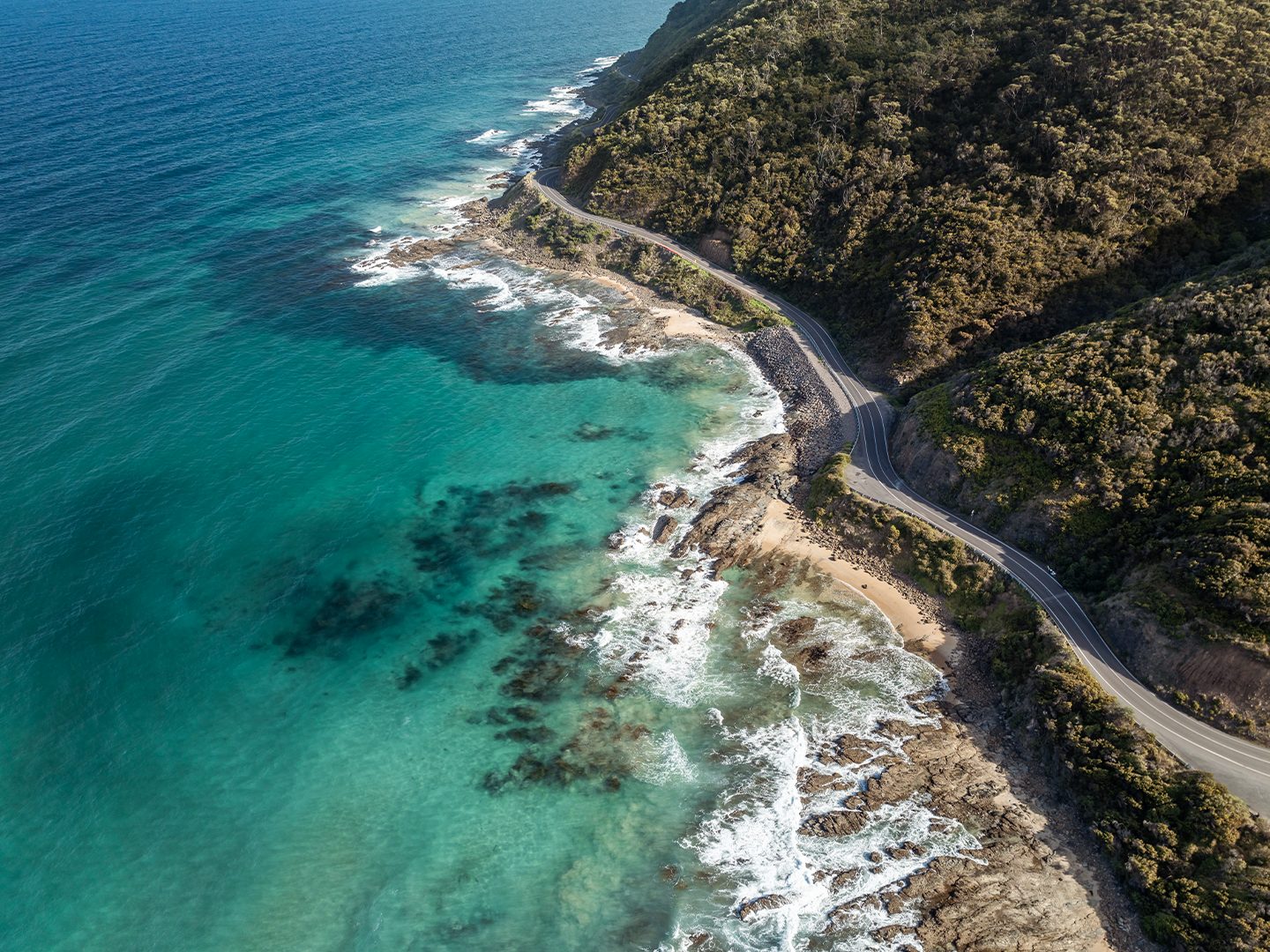
My Point Addis Art Print I is my top selling print, and it looks incredible as a framed print. The blues and greens of that coastline really pop behind glass. If you want something for the Surf Coast or Bellarine Peninsula, a classic or shadow box frame is often the go-to.
When a floating frame canvas wins
If your room gets a lot of natural light, a canvas is the smarter choice. No glass means zero reflections, full stop. You'll see the whole image clearly no matter where the light's coming from. That's a real practical advantage in bright beach houses, sunrooms and open-plan living spaces.
The canvas also has a slightly warmer, more organic feel to it. The texture of the Hahnemuhle Daguerre canvas adds a painterly quality that suits coastal photography particularly well. I've had customers tell me the floating frame canvas looks like a piece of fine art rather than just a photo, which is exactly what I'm going for.
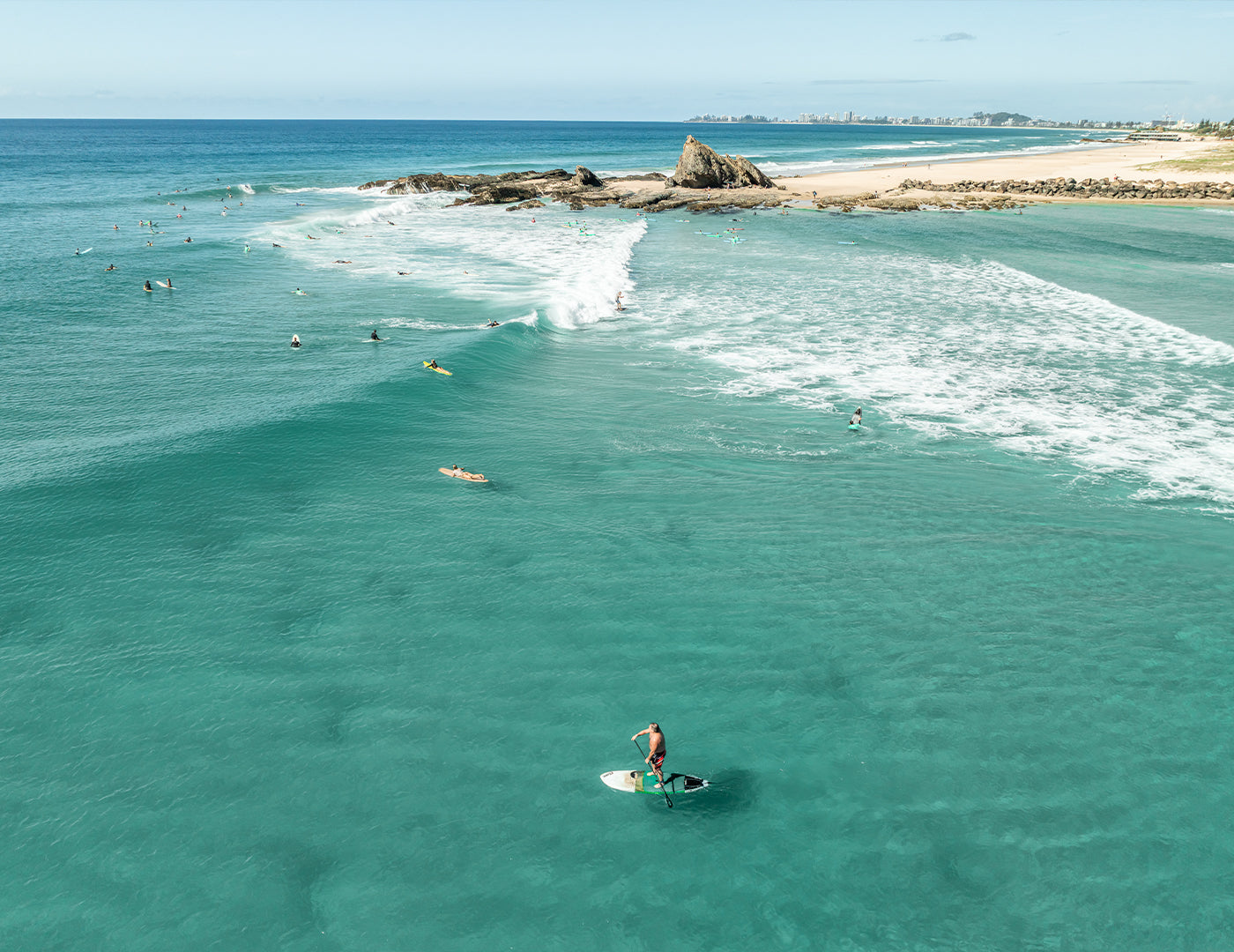
If you're fitting out a holiday rental or Airbnb near the coast, a canvas is worth considering too. It's harder to damage than glass, which matters when you've got guests coming and going. My Rainbow Bay Art Print I in a floating frame canvas is one I'd happily put up in any beach house, and it starts from $89.
What about shadow box frames?
If you want to go a step further than a classic frame, the shadow box is worth a look. The glass sits 20mm off the print, which creates a subtle floating effect that adds real dimension to the artwork. It's not just a frame, it's a feature.
For the best possible result, the premium shadow box uses 308gsm Hahnemuhle Rag Mount Smooth fine art paper, 11-colour giclee archival inks, and Tru Vue Museum Glass with 99% UV protection and virtually zero glare. It's the format I'd choose for a statement piece in a living room or main bedroom. If you're comparing options, my post on floating frame canvas vs framed print goes deeper on this.
Bring the coast home
Whether you're after a framed beach print for a holiday rental, a canvas for your living room, or a shadow box as a gift, every format I offer is printed to order right here in Victoria and shipped free anywhere in Australia. No guessing on materials, no cheap imports. Just real Australian coastal photography, printed properly.
Take a look at the Point Roadknight Art Print II, one of my best sellers, and see it across the different frame options. It's a great way to feel how the same image changes with each format.
Not sure what size to go for? Check the size guide and the product guide for a full breakdown.
Frequently Asked Questions
What is the difference between a framed art print and a canvas wall art?
A framed art print is printed on fine art paper, mounted behind glass, and set in a solid timber frame. A canvas print is printed directly onto stretched canvas with no glass, giving it a more textured, painterly look. The right choice depends on your room's light levels and the aesthetic you're after.
Do framed beach prints look better than canvas in a coastal home?
Neither is universally better. Framed prints give a crisp, gallery-style finish and suit rooms with controlled lighting. Canvas prints work better in bright, sun-filled spaces because there's no glass to create reflections. Both formats suit coastal interiors well and come in the same range of Australian beach photography.
Is a framed print or canvas better for a holiday rental?
For holiday rentals and Airbnb properties, a floating frame canvas is a practical choice because it has no glass, so there's no risk of breakage. Framed prints also work well in rentals and offer a more formal, gallery-style look. Both are ready to hang and ship free anywhere in Australia.
Are framed beach prints worth buying compared to cheaper options?
The difference comes down to materials and longevity. My framed prints use giclee archival inks on 250gsm fine art paper, FSC certified timber frames, and come with a 10-year warranty. They're designed not to fade or yellow over time, which is more than you'll get from a mass-produced print. Starting from $89 framed, they sit well below gallery prices for a product that's genuinely built to last.